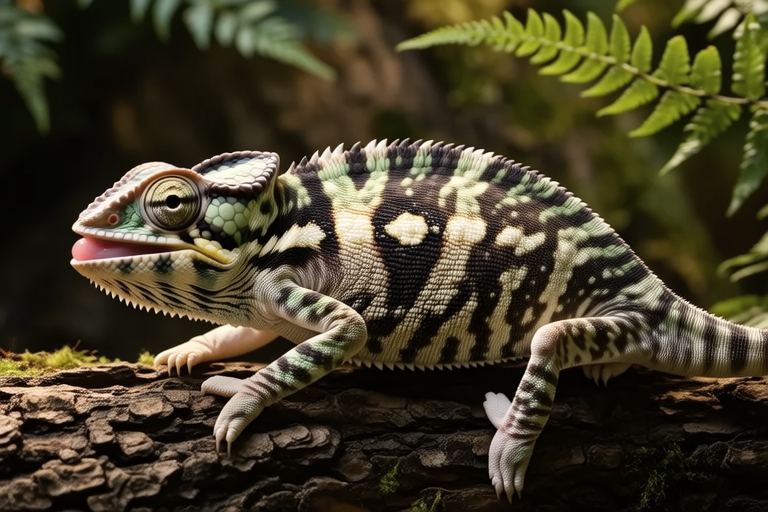
Chameleon Care: Expert Tips Every Owner Should Know
Welcome to the comprehensive guide on chameleon care! Chameleons are fascinating creatures with unique needs that require specific attention to ensure their health and happiness. This article will cover essential aspects of chameleon care, including suitable habitat setup, temperature and lighting requirements, diet specifics, hydration methods, common health issues, and tips for handling. Whether you’re a new or experienced owner, this guide will provide valuable insights into keeping your chameleon thriving.
Suitable Habitat Setup
Creating an appropriate habitat is crucial for your chameleon’s well-being. A spacious vivarium with ample vertical space is ideal, as chameleons are arboreal animals that prefer climbing. The enclosure should be at least 24 inches wide, 24 inches deep, and 48 inches tall for a single adult chameleon. For larger species, such as panther chameleons, the height may need to exceed 6 feet.
The substrate in the vivarium should be non-toxic and easy to clean. Many owners choose to leave the floor bare or use paper towels for ease of cleaning. Avoid using loose substrates like sand or gravel, as they can cause impaction if ingested. Provide plenty of branches, vines, and plants for climbing and hiding. Live plants are preferred as they offer humidity control and enrichment, but ensure they are safe for chameleons and free from pesticides.
Adequate ventilation is essential for preventing mold and bacterial growth. Ensure the enclosure has proper airflow without causing drafts. Screen tops are commonly used for this purpose, but make sure the mesh is fine enough to prevent your chameleon from escaping.
Temperature and Lighting Requirements
Chameleons are ectothermic, meaning they rely on external sources of heat to regulate their body temperature. Proper temperature gradients within the enclosure are critical for their health. The warm side of the vivarium should reach around 85-90°F (29-32°C) during the day, while the cool side can range between 75-80°F (24-27°C). At night, temperatures can drop to 65-70°F (18-21°C).
Heat lamps or ceramic heat emitters are recommended for maintaining these temperatures. Position them outside the enclosure to avoid burns and ensure they are shielded from direct contact with water. Always use a reliable thermostat or rheostat to control the heat source and prevent overheating.
UVB lighting is essential for chameleons’ health. It helps them synthesize vitamin D3, which is necessary for calcium absorption. Use a high-quality UVB bulb designed for reptiles, and position it so that it covers approximately two-thirds of the enclosure. Replace the bulb every six months, even if it still appears functional, as UVB output diminishes over time.
Full-spectrum lighting should be provided for 10-12 hours per day, mimicking natural daylight cycles. In addition to UVB lighting, chameleons also benefit from broad-spectrum lighting that replicates natural sunlight. These lights should be placed above the enclosure and should not be covered by glass or plastic, as these materials block UVB rays.
Diet Specifics
Chameleons are insectivores, meaning their diet consists primarily of insects. Offer a variety of appropriately sized prey items to ensure a balanced diet. Common feeder insects include crickets, dubia roaches, silkworms, hornworms, and superworms. Dust these insects with a calcium supplement daily and a multivitamin supplement twice a week.
The size of the prey should not exceed the width of your chameleon’s head. Overfeeding can lead to obesity and other health issues, so monitor the quantity carefully. Feed younger chameleons daily, while adults can be fed every other day. Always remove uneaten insects after feeding to prevent stress or injury to your chameleon.
Provide a shallow dish of fresh water daily. Some chameleons will drink directly from the dish, while others prefer to lap water droplets from leaves. To encourage drinking, mist the enclosure regularly, especially in the morning and evening. Automated misting systems can be useful for maintaining consistent humidity levels.
Hydration Methods
Misting is one of the most effective ways to provide hydration for chameleons. Use a spray bottle to mist the enclosure several times a day, ensuring that water droplets form on leaves and branches. This mimics natural rain patterns and encourages your chameleon to drink. Automated misting systems can be beneficial for maintaining consistent humidity levels.
In addition to misting, provide a shallow dish of fresh water daily. Some chameleons will drink directly from the dish, while others prefer to lap water droplets from leaves. If your chameleon does not seem to be drinking enough, consider using a dripper system that slowly releases water onto leaves, simulating natural dew formation.
Monitor your chameleon’s hydration closely. Signs of dehydration include sunken eyes, lethargy, and reduced activity. If you notice these symptoms, increase misting frequency and consult a veterinarian for further advice.
Common Health Issues
Respiratory infections are common in chameleons kept in environments with improper humidity or temperature levels. Symptoms include nasal discharge, labored breathing, and lethargy. Ensure your chameleon’s enclosure has adequate ventilation and maintain proper temperature and humidity gradients to prevent respiratory infections.
Mouth rot, also known as stomatitis, is another frequent issue in chameleons. It is characterized by swelling, redness, and pus around the mouth. Poor husbandry, such as inadequate nutrition or hygiene, can contribute to its development. Regular cleaning of the enclosure and providing a balanced diet can help prevent mouth rot.
Metabolic bone disease (MBD) occurs when there is insufficient calcium in the diet or improper calcium-phosphorus ratios. This condition can lead to weakened bones, deformities, and paralysis. Ensure your chameleon receives adequate calcium through supplements and UVB lighting.
Frequent veterinary check-ups are recommended for early detection and treatment of health issues. Consult a veterinarian experienced in exotic pets for regular examinations and vaccinations.
Tips for Handling
Chameleons are delicate animals that do not enjoy being handled frequently. Limit handling sessions to once or twice a week for brief periods. Always support your chameleon’s body fully, avoiding sudden movements that could startle them.
Wash your hands thoroughly before and after handling to prevent the spread of bacteria or parasites. Gently place your hand in front of your chameleon and allow them to step onto it voluntarily. Never attempt to grab or restrain your chameleon, as this can cause stress or injury.
Observe your chameleon’s behavior closely during handling sessions. Signs of stress include rapid color changes, hissing, or attempting to flee. If you notice these signs, return your chameleon to their enclosure immediately and reduce handling frequency.
Handling your chameleon in a calm and gentle manner can help build trust and reduce stress. With patience and consistency, you can establish a positive relationship with your pet.
Conclusion
Caring for a chameleon requires dedication and knowledge of their specific needs. By providing a suitable habitat, maintaining proper temperature and lighting, offering a balanced diet, ensuring adequate hydration, monitoring for health issues, and handling gently, you can ensure your chameleon lives a long and healthy life. Remember to consult with veterinarians and other experienced owners for guidance and support throughout your journey as a chameleon owner.
